

₹ Estimated Total ▼
₹0
₹0
( OFF)
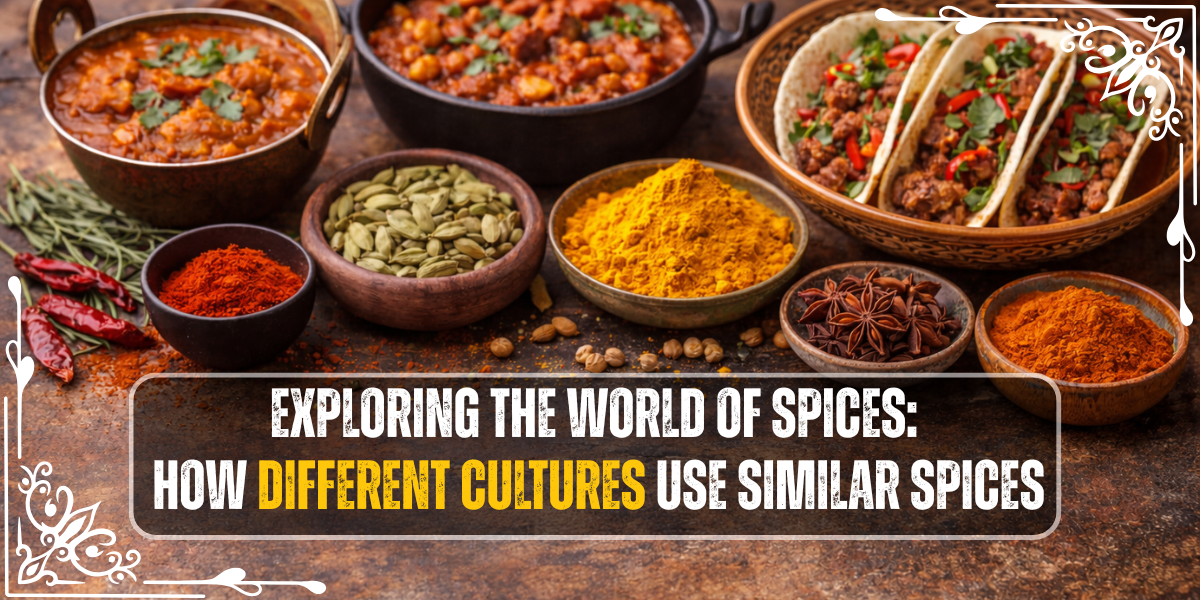
Spices are the soul of global cuisine. They carry history, culture, trade and tradition in every pinch. From ancient kitchens to modern dining tables, spices have connected civilizations across continents. Interestingly many cultures use the same spices, yet the flavours they create are entirely unique.
Narpa spices are delighted to be part of the joint legacy of spices that are the same but their different uses and transformations make them the very opposite of their origin. Join us in the adventure through taste that will lead to the discovery of the similarities in spices but the differences in the ways of using them by the different cultures, thus creating diverse and memorable culinary identities.
At a certain point, spices were the most sought after in the world, so they were traded through trading routes, empires, and migration. What started off as regional flavorings soon became international luxury items. While nature played a role in which spices thrived in which regions, the various bits of human practice were what determined the use of spices.
The same spice can be experienced as soothing and cozy in one culture while in another it could be the case of bold and hot. This capacity for change is what gives spices their universality.
Turmeric is among the most common spices that are being used globally. Its breakthrough colour and its earthy smell are the characteristics that are not only widely recognized but also come with a variety of functions associated with different cuisines.
In India, turmeric is a must-have every day. It gives a supporting flavor to curries, dals and vegetables while also being a major player in the traditional-wellness practices. The Indian kitchen often pairs turmeric with cumin, coriander and ginger to produce the perfect flavour.
Turmeric is more or less used in the same way in Southeast Asia. It is mainly used in coastal cuisines and also rice dishes, marinades and soups.
Its use in Middle Eastern cooking is through turmeric and spice blends, the meats and stews do not overpower the spices but rather mix them up and thus the blending of different spices has caused their interpretations to be related to every culture equally.
Cumin is yet another spice that travels easily across borders. The earthy and slightly nutty taste attracts many worldwide.
In Indian cuisine, it is common practice to first temper cumin seeds in hot oil so as to release their aromatic property before adding them to the food. This method is the starting point for countless recipes.
For Middle East people, cumin is one of the main constituents in the spice mixing that is done. Especially in the case of grilled meats, lentils, and rice, cumin plays its role by supplying a gentle warmth without overshadowing the other flavours.
Cumin is used universally in ground form throughout Mexico and it is added to spice blends for beans, sauces, and slow-cooked dishes. Hare, it works with chili peppers to bring forth intense and warm flavours.
The hotness and types of chili peppers may vary but their effect is the same everywhere. They are the defining elements of many cuisines.
In India, dried red chilies and chili powder along with them give a restrained but vibrant spice and colour. Regions differ in their heat levels but chilies are seldom used solo. They fuse with spices for creating multi-layered flavours.
In Mexico, chilies are the lifeblood of the whole kitchen. Utilizing every kind of chili from aromatic and dried ones to fresh green ones not only for building up sauces, salsas, and marinades but icily and indirectly throughout the whole range of the cuisine.
In East Asian cuisines, chilies bring sharp heat. They are often paired with garlic, ginger and fermented ingredients to create bold, spicy profiles that awaken the palate.
Coriander is unique because both its seeds and leaves are used, often in very different ways.
Coriander seeds are warm, citrusy and slightly sweet. In Indian cooking, they form the backbone of many spice blends. They balance heat and add complexity.
In Middle Eastern cuisines, coriander seeds are used in meat rubs and stews, enhancing savory flavours.
Coriander leaves, often called Cilantro, tell another story. In Mexican and Southeast Asian cooking, fresh leaves add brightness and freshness to finished dishes. The same plant delivers two completely different experiences.
Cinnamon is often associated with desserts, but many cultures use it in savory dishes.
In Indian and Middle Eastern cuisines, cinnamon sticks are used in rice dishes, curries and meat preparations. They add warmth and a subtle sweetness without making the dish sugary.
In western cooking, cinnamon is mostly linked to baked goods, beverages and desserts, its sweet aroma defines comfort foods. This contrast shows how cultural context shapes flavour perception.
Cloves and Cardamom: Small Spices, Big Impact
Cloves and cardamom are powerful spices used sparingly. In Indian cuisine, they are part of whole spice tempering. They release aroma slowly, infusing dishes with depth.
In Middle Eastern cooking, these spices appear in rice, meats and even coffee, creating rich and aromatic experiences.
In European traditions, cloves are often used in holiday dishes, mulled beverages and baked goods offering warmth and nostalgia.
Spice Blends: Cultural Signatures
While individual species matter, blends define cuisines. Each culture has its own signature combinations.
Indian garam masala, Middle Eastern baharat, Mexican chili blends and Asian five spice all use overlapping ingredients. Yet, the ratios and techniques make them unique.
This shows that spices are not just ingredients. They are expressions of identity, memory and tradition.
Conclusion:
Across cultures, one thing remains constant. The quality of spices defines the final dish. Fresh, pure and well-sourced spices deliver aroma, flavour and authenticity.
At Narpa spices, we understand that spices are more than products. They are the foundation of global cooking. Our commitment to quality ensures that every spice carries its true character, allowing home cooks and chefs to explore world cuisines with confidence.
Your cart is currently empty. Let us assist you in finding the right product
Explore More Flavours
Chat Masala
₹121
₹91
Garam Masala
₹149
₹96
Kitchen King
₹129
₹90
Meat Masala
₹132
₹92
Black Pepper Powder
₹227
₹159
Order Summary
Offers & Benefits
✕Available Offers